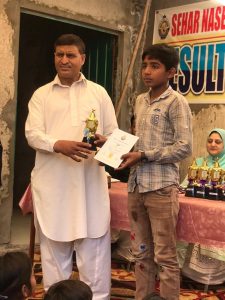
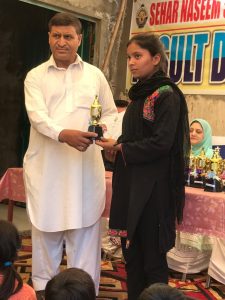
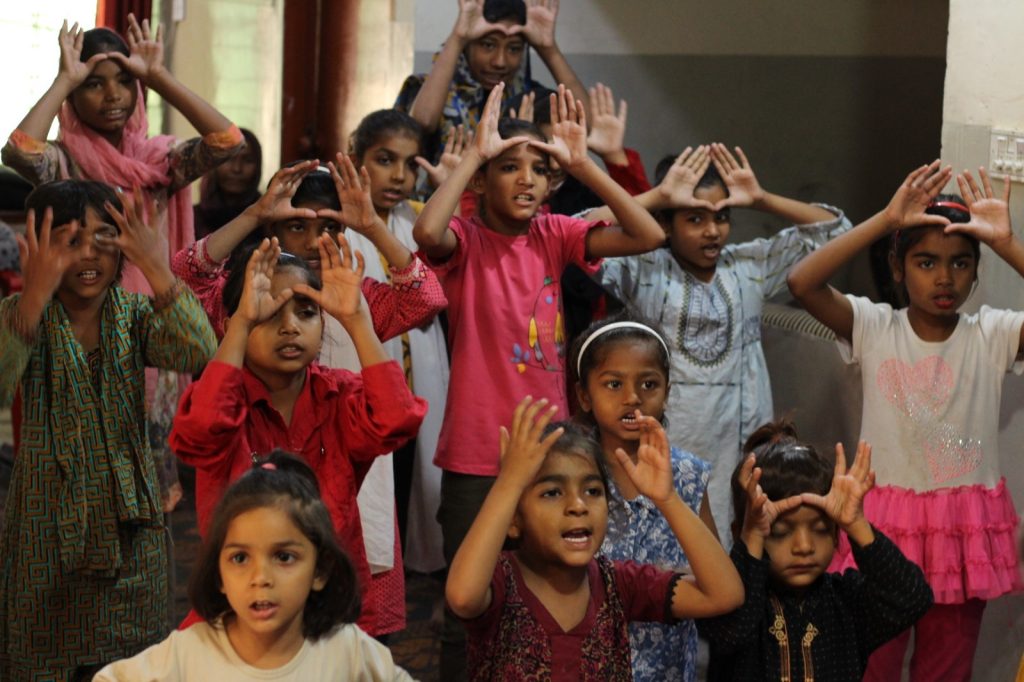
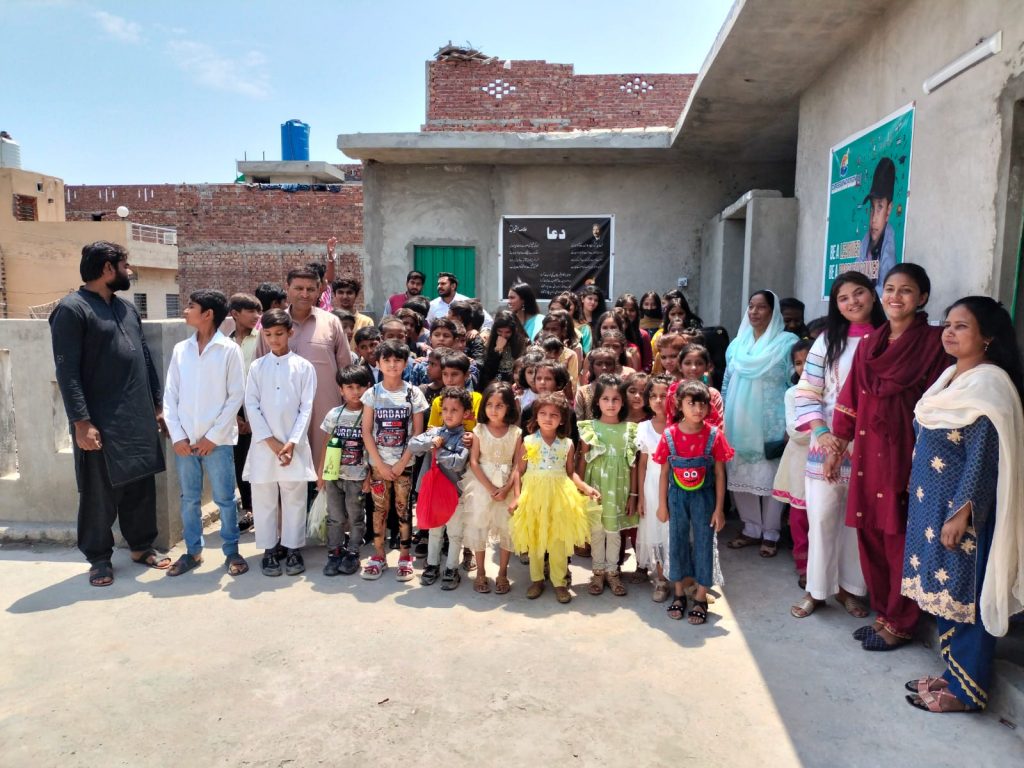
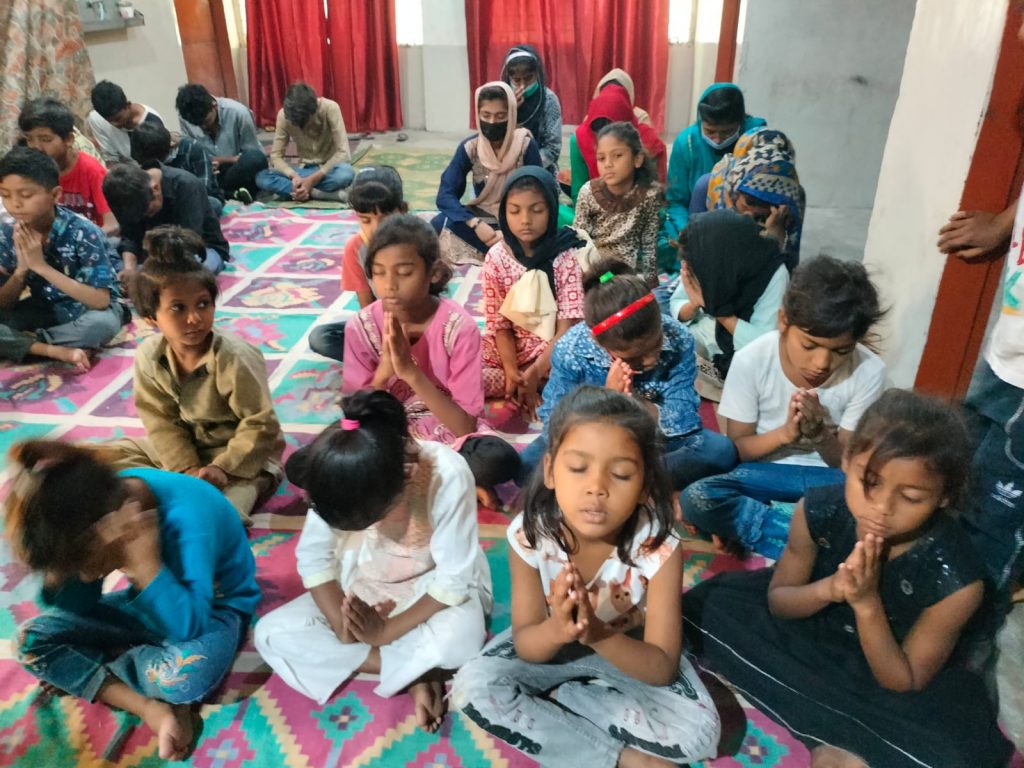
WHERE LOVE GROWS AND HOPE BEGINS EVERY CHILD DESERVES A PLACE TO CALL HOMESehar Naseem FoundationEDUCATION IS NOT A PRIVILEGE. IT IS A HUMAN RIGHT FREE EDUCATIONWe SNF Every day we bring hope of children in the Pakistan's hardest places as a sign of God's unconditional love. ORPHANAGE FOR BOYS & GIRLS What Does Women Empowerment Mean?
Our Mission
To break the cycle of vulnerable children by loving them as our own and working to provide family through adoption or in our Family Homes. We focus on quality care, education and therapy, rooted in faith.
Things have changed for the better, but not for all women and not in all domains of gender equality. Progress has been slow and limited for some women in very poor communities, for those who are poor, even amid greater wealth, and for those who face other forms of exclusion because of their caste, disability, location, ethnicity, or sexual orientation. Whether comparisons between men and women in the same community, or absolute comparisons of women across country, the progress in some domains is tempered by the sobering realities that many women face in others’.
‘I do not know enough to give you advice but I can give you a message when we started to organize the women lace-makers. The rich will always help the rich. The poor will therefore have to help the poor. Reach out to the poorest wherever they are and help them to help themselves… Then you will succeed…’
Women’s development threatens male authority. Although this is seldom openly acknowledged… the position of women exists not in a vacuum but in relation to the position of men. Eliminating discrimination against women is another way of saying eliminating discrimination that favors men. Not surprisingly, men don’t like this. And where men hold most of the power, what men think has serious consequences for women.’
Why Gender Equality and Women’s Empowerment
Things have changed for the better, but not for all women and not in all domains of gender equality. Progress has been slow and limited for some women in very poor communities, for those who are poor, even amid greater wealth, and for those who face other forms of exclusion because of their caste, disability, location, ethnicity, or sexual orientation. Whether comparisons between men and women in the same community, or absolute comparisons of women across country, the progress in some domains is tempered by the sobering realities that many women face in others’.
Transforming the ways in which we engage men and boys in gender equality and women’s empowerment efforts is essential to long-lasting social change. We must enlist their support for the empowerment of women and girls across their lifespan, and also encourage them to challenge the negative cultural and social definitions that can limit their own ability to achieve their full potential.
It is vital to promote the rights of all individuals and reduce gender-based violence while mitigating its harmful effects on individuals and communities. Unless women and girls, men and boys, fully enjoy their human rights and are free from violence, progress toward development will fall short.
The global development sector agrees that the commitment to end poverty, protect the planet, and ensure prosperity for all will only be achieved if development initiatives consider the unique needs, knowledge, and potential of women and girls.
This belief sits solidly in Sustainable Development Goal 5, “to achieve gender equality and empower all women and girls,” and is a crucial part of work in education, finance, advocacy, and other initiatives contributing to “women’s empowerment” all over the world.
At the same time, the term “empowerment” has become “diluted to the point of complete ambiguity,” according to a report co-authored by Kate Cronin-Furman, a postdoctoral fellow at Harvard Kennedy School’s Belfer Center for Science and International Affairs.
The term has drawn further criticism for implying that an external force bestows empowerment upon a woman — diminishing her own power and agency.
Considering the term encompasses a vast extent of gender-focused development work and has become a favorite phrase for fundraising, Devex asked several professionals in gender, advocacy, sexual and reproductive health and other fields what they think “women’s empowerment” really means.
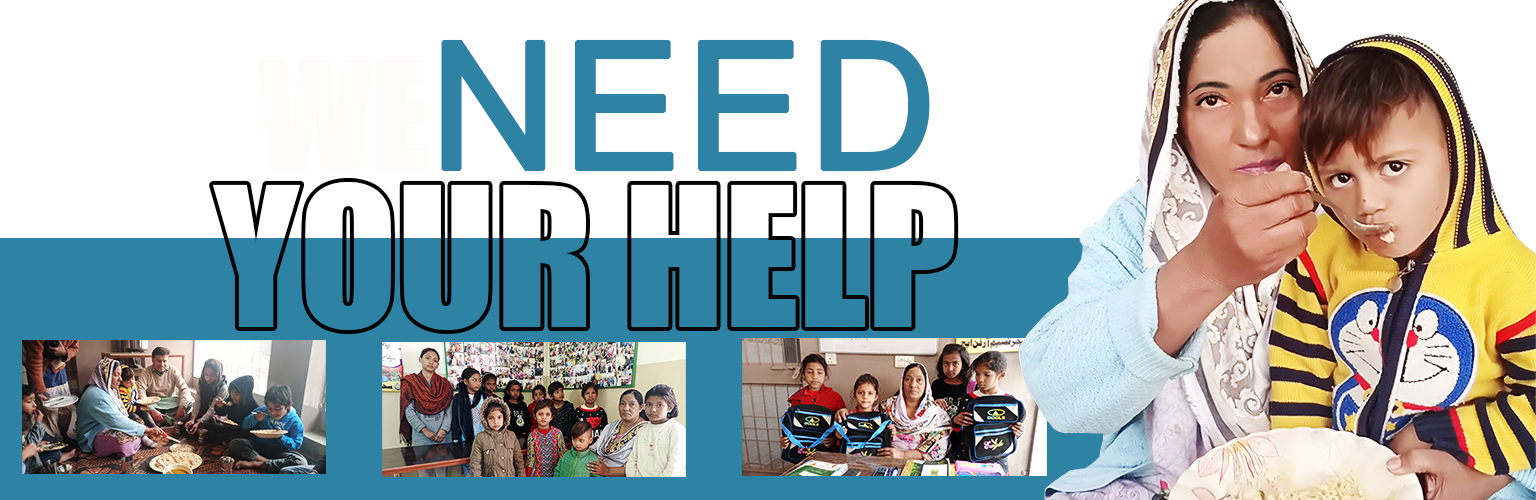
We're looking for long-term sponsorship for our children. Sponsors will contribute US$ 2/ a day to be set aside for the child’s uniform, shoes, books, stationary, food, healthcare and other necessities of life, so that the children can follow their ambitions after leaving the orphanage and learn a livelihood. We aim to provide our children with the chance to give back to their society, by becoming doctors, nurse, engineers or teachers.
We think it is important for children to maintain a personal relationship with their sponsor, so we encourage sponsors to send personal gifts such as toys and games, which our trustees will take over annually when they visit in December. We will also record video-messages and take back letters and drawings for sponsors from children so sponsors can get to know our children.
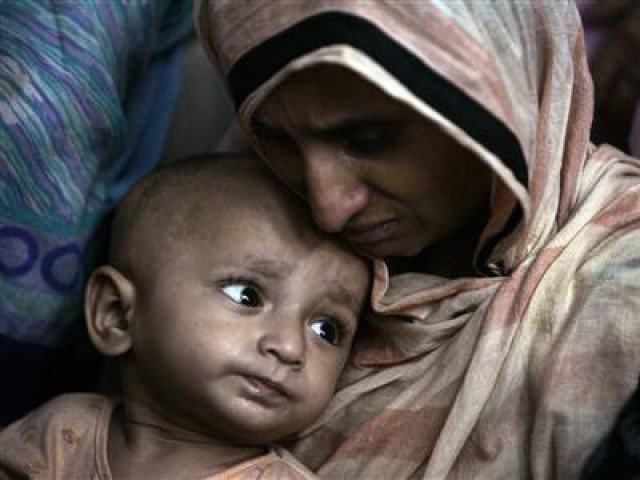
No one gets married with an intention of getting divorced one day and raising their kids without the support of their better half unfortunately it’s happening as increasing divorcing rate. In Pakistan single mothers are treated differently from someone who has husband. Single moms often face illicit approaches by other men.
Single mothers everywhere are constantly judged, called strong, willful, headstrong weak, unsteady and been pitied. In turn people also assumed that I cannot sustain relationship.