HEALTH CARE
What is a primary health care system?
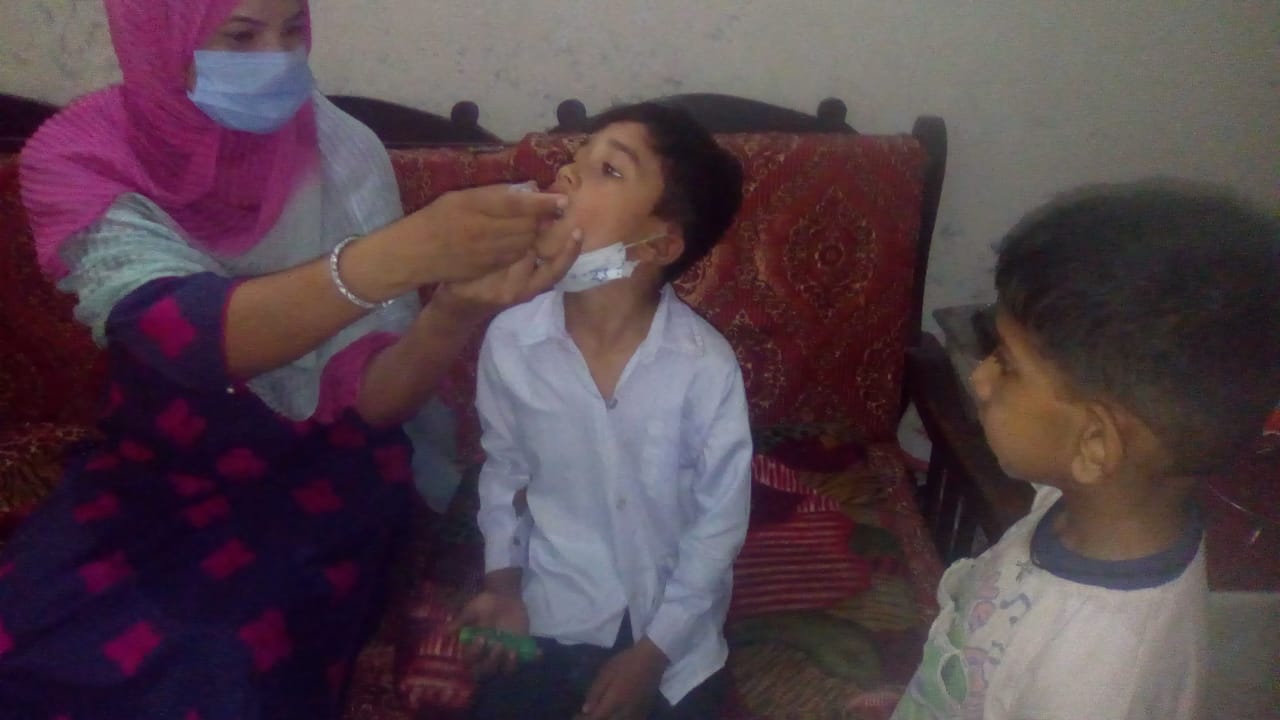
Primary care is the day-to-day healthcare given by a health care provider. Typically, this provider acts as the first contact and principal point of continuing care for patients within a healthcare system, and coordinates other specialist care that the patient may need.

Parenthood is a life transition that can be especially demanding for vulnerable individuals. Young maternal age and maternal single status have been reported to increase the risk for adverse outcomes for both mother and child. The aim of this study was to investigate the effect of young maternal age and maternal single status on maternal and child mental health and child development at age 3.
Results
Young maternal age associate with symptoms of postpartum depression whereas single status is not. Young mothers were more prone to report internalizing and externalizing problems in their children, while there is no association between single status and child behavioral problems. No differences are seen on child development. School drop-out is, however, a more influential factor on depressive symptoms postpartum than maternal age.
Conclusion
Young mothers are at increased risk for symptoms of postpartum depression which indicates the need for attention in pre- and postnatal health care programs. Single mothers and their children were not found to be at increased risk for adverse outcomes. The importance of schooling was demonstrated, indicating the need for societal support to encourage adolescents to remain in school.
Peer Review reports
Becoming a parent is a large life transition that bring new challenges. Childbirth during adolescence is demanding, as it takes place during an intense mental and physical developmental stage, challenging or forcing the transition from childhood to adulthood. Single-mother families often face structural disadvantages due to having lower income and less time together with their children. Maternal vulnerability may influence not only the mental health and wellbeing of the mother herself, but also the development and wellbeing of her child [1].
Early motherhood has been shown to be associated with adverse developmental outcomes for both mothers and children [2]. Teenage mothers are at increased risk for depression [3]. The fact that adolescent mothers are still in a developmental stage may lead to difficulties when raising a child, influencing both maternal and child wellbeing. However, it has been argued that it is not the young age itself but rather associated factors such as dysfunctional relations and socioeconomic factors that predispose to adolescent pregnancy, factors that in turn add to the combination of risk factors for young mothers and their children [4]. Children of teenage mothers have been shown to have delays in cognitive and language abilities [5, 6] however, age appropriate development has been noted in smaller studies [7, 8].

The risk for psychopathology in single mothers and their children is increased, but the mechanisms for this are not known. In a Swedish study, children of single parent households (90% women) were found to be at increased risk for childhood psychopathology, suicide attempts and drug addiction [9]. As noted earlier single mothers may face not only the non-shared care of a child but also economic problems resulting from discriminatory wage levels and the absence of a second income from a partner [10, 11]. Moreover, negative parenting behaviors have been shown to be more common in single-mother households [12]. The increased risk for mental health problems in children of single-mother households has also been attributed to increased experience of stressful life events [13]. While these factors add to the total burden of risk, single motherhood stays significantly associated with youth psychopathology after controlling for poverty and maternal psychopathology [14]. However, research on maternal and child outcomes of single motherhood has mainly focused on divorced families, where the divorce itself can impact child wellbeing. Less is known about wellbeing of mothers who are single at the time of childbirth, and this is also true as concerns the health of their children. To our knowledge, cognitive development in pre-school children of single mother families has not yet been thoroughly studied.
Single as well as early motherhood has been shown to be associated with low socioeconomic status (SES) [10, 15]. Child health and development is strongly related to family SES, and researchers suggest a reciprocal relationship between these factors [15, 16]. Crosier and colleagues (1994) showed that as much as 94% of the association between single mother status and poor mental health (for the mothers) was explained by sociodemographic factors. While low SES and poor health may be especially detrimental during the first years in life due to the intense brain development, effects in terms of cognitive ability, mental health and achievement may become more apparent in older children.
There is a lack of studies examining mental health in women who are single at childbirth. The present study adds to the field by 1) examining mental health in women who are single at childbirth and 2) including measures of mental health in both mothers and their children, and also objective measurement of child development.
Aim
The aim of the present study was to investigate the impact of early motherhood and single motherhood on maternal mental health and child wellbeing and development.
This framework provides guidance and direction to National Societies, their programme managers and all other parties involved in the planning, design and implementation of programmes and interventions in maternal/reproductive, newborn and child health (MNCH, also referred to as RMNCH). The International Federation of the Red Cross and Red Crescent Societies (IFRC) is committed to the health and well-being of women and children and to the achievement of the Millennium Development Goals (MDG) 3, 4 and 51 . In addition, the IFRC is committed to shaping the post-MDG MNCH landscape. The MNCH framework (the framework) builds on the understanding that progress towards these goals requires reducing inequities in health and gender, and addressing their social determinants and human rights. The MNCH continuum of care is the operational context for health programming to ensure that there is continuity of care for women and children. To improve the overall health of women and children, continuity of care is necessary throughout the lifecycle as well as between places of caregiving. The framework promotes a developmental approach to relief whereby emergency response is used as a platform for sustainable scale-up of the essential MNCH interventions addressing longer-term vulnerabilities and risks. Realizing the intrinsic link between health and nutrition in the context of the global burden of maternal and child undernutrition, this framework considers essential nutrition interventions an integral part of activities across the MNCH continuum of care. This framework presents strategic objectives, cross-cutting principles and a structured approach to guide the efforts of the National Societies in MNCH and to ensure that they:
• adhere to the Movement’s principles and values and build on its strengths
and strategic advantages
• are aligned with Strategy 2020 and with objectives of the Global Strategy for
Women’s and Children’s Health
• are consistent with the WHOs concept of MNCH, the current evidence-base
and best practices in community-based health programming
• can be integrated with the national MNCH plans of individual countries.