WOMEN EMPOWERMENT
What Does Women Empowerment Mean?
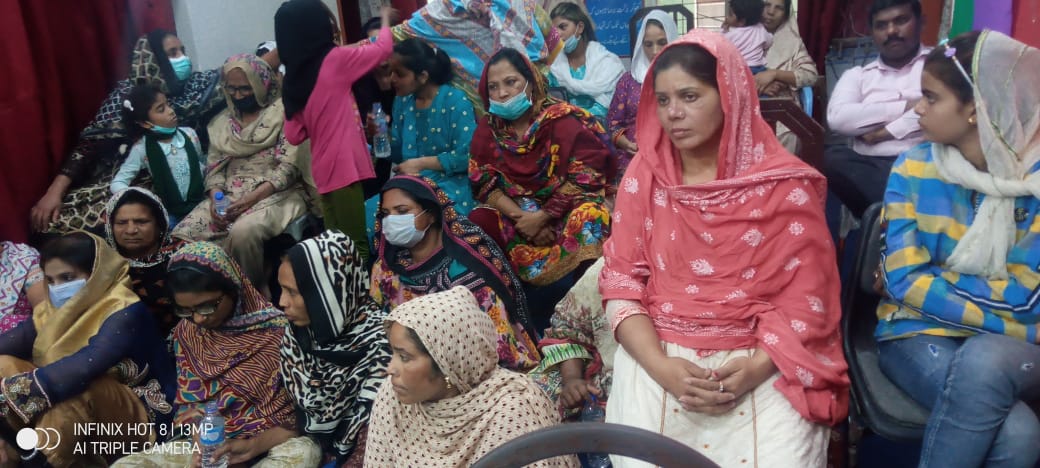
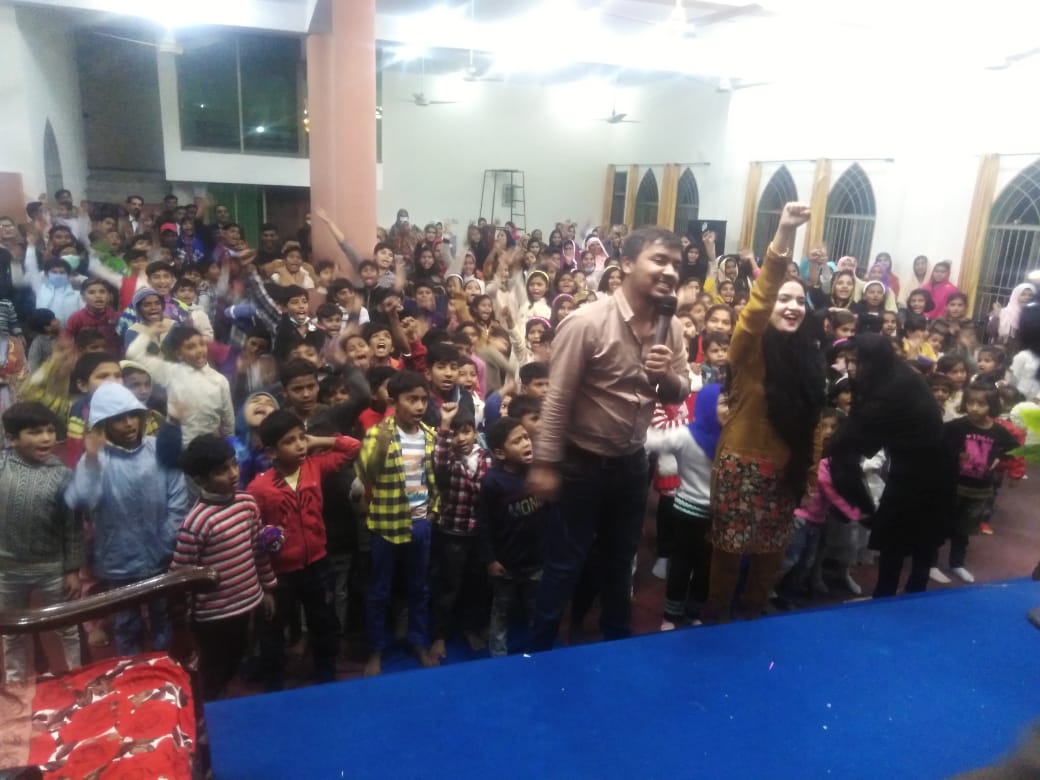
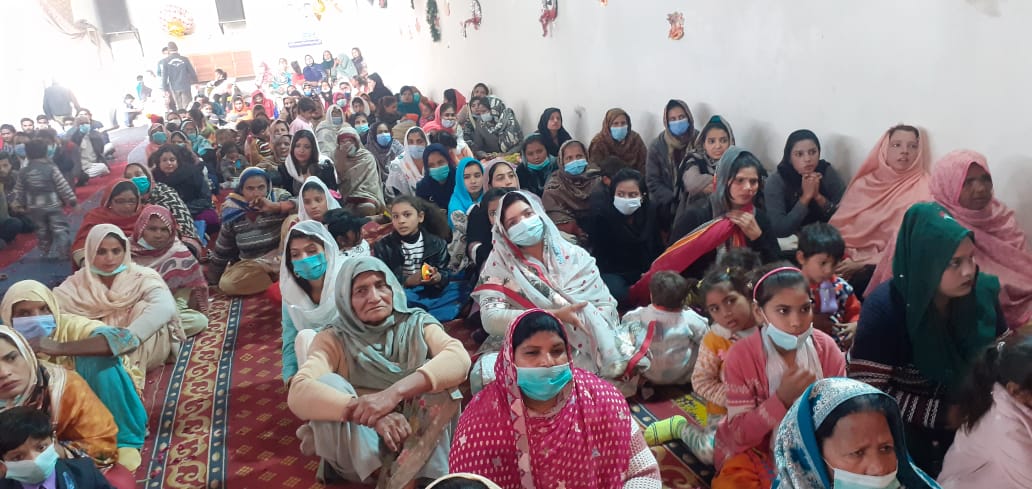
Women Empowerment is the process that creates power in women to live a happy and respectable life in a society. Women are empowered when they are able to access opportunities in a variety of fields such as in education, profession, lifestyle, etc., without any limitations and restrictions. It includes raising their status through education, awareness, literacy and training. It also includes the authority to take decisions. When a woman makes a crucial decision, she feels empowered.
Women’s empowerment is the most crucial point for the overall development of a country. Suppose, in a family, there is one earning person, while in another family, both men and women are earning, then who will have a better lifestyle. The answer is simple, the family where both men and women are earning money. Thus, the country where men and women work together develops at a faster rate.

Why Gender Equality and Women’s Empowerment
Investing in gender equality and women’s empowerment can unlock human potential on a transformational scale. For societies to thrive, women and girls, men and boys must have equal access to education, healthcare, and technology. They must have equal control of resources, lands, and markets. And they must have equal rights and opportunities as peace-builders and leaders.
Transforming the ways in which we engage men and boys in gender equality and women’s empowerment efforts is essential to long-lasting social change. We must enlist their support for the empowerment of women and girls across their lifespan, and also encourage them to challenge the negative cultural and social definitions that can limit their own ability to achieve their full potential.
It is vital to promote the rights of all individuals and reduce gender-based violence while mitigating its harmful effects on individuals and communities. Unless women and girls, men and boys, fully enjoy their human rights and are free from violence, progress toward development will fall short.
The global development sector agrees that the commitment to end poverty, protect the planet, and ensure prosperity for all will only be achieved if development initiatives consider the unique needs, knowledge, and potential of women and girls.
This belief sits solidly in Sustainable Development Goal 5, “to achieve gender equality and empower all women and girls,” and is a crucial part of work in education, finance, advocacy, and other initiatives contributing to “women’s empowerment” all over the world.
At the same time, the term “empowerment” has become “diluted to the point of complete ambiguity,” according to a report co-authored by Kate Cronin-Furman, a postdoctoral fellow at Harvard Kennedy School’s Belfer Center for Science and International Affairs.
The term has drawn further criticism for implying that an external force bestows empowerment upon a woman — diminishing her own power and agency.
Considering the term encompasses a vast extent of gender-focused development work and has become a favorite phrase for fundraising, Devex asked several professionals in gender, advocacy, sexual and reproductive health and other fields what they think “women’s empowerment” really means.

Add Your Heading Text Here